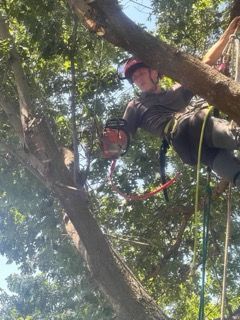
Storm Damage Tree Service in Edmond, Ok and Surrounding Areas
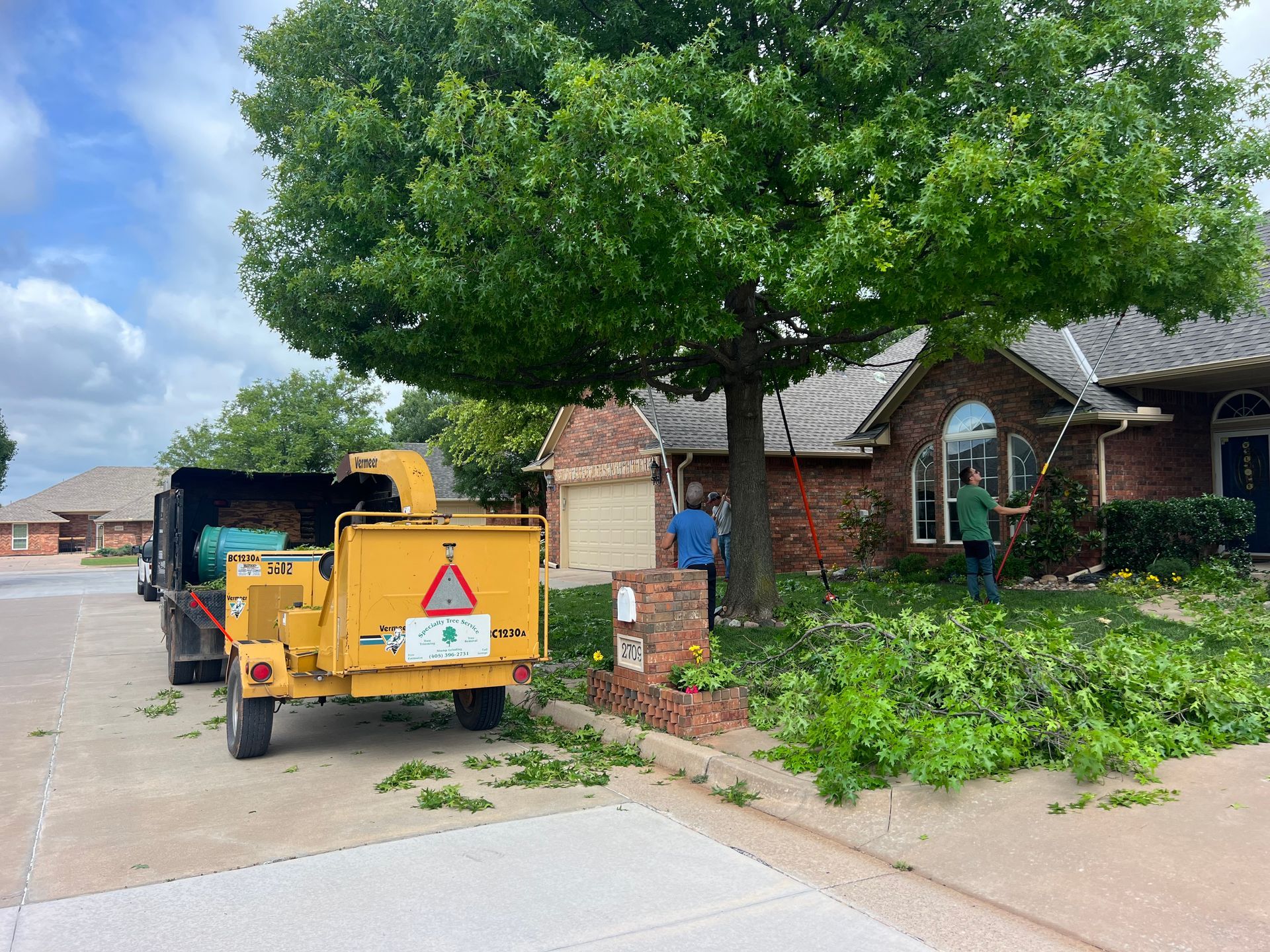
Severe weather can cause unexpected and often dangerous damage to trees and surrounding properties. In Edmond, OK and surrounding areas, strong winds, heavy rain, ice storms, and lightning can weaken or uproot trees in a matter of minutes. Specialty Tree Services provides professional storm damage tree service designed to address urgent hazards, restore safety, and manage debris efficiently. Whether a tree has fallen on a structure or large limbs are hanging precariously, immediate and skilled response is essential to prevent further complications.
Storm-damaged trees present unique challenges that require specialized equipment and knowledge. From assessing structural instability to safely removing broken limbs, each step must be handled with precision. Specialty Tree Services
focuses on resolving storm-related tree issues while minimizing disruption to your property.
Emergency Tree Response After Storms
Storm damage often requires immediate attention, especially when trees or branches pose risks to people, buildings, or utilities. Emergency tree response involves rapid assessment and action to stabilize the situation and prevent further damage. In Edmond, OK and surrounding areas, weather conditions can shift quickly, making timely intervention critical.
Immediate Hazard Assessment
After a storm, trees may appear stable but have internal damage or compromised root systems. A thorough evaluation identifies risks such as leaning trunks, cracked limbs, or partially uprooted trees that could fall unexpectedly.
Emergency Tree Removal
When a tree has fallen or is at risk of falling, removal must be handled carefully to avoid additional property damage. Specialized equipment allows for controlled cutting and safe extraction, even in tight or hazardous spaces.
Storm Debris Clearance
Storms often leave behind a large amount of debris, including branches, leaves, and tree trunks. Clearing this debris restores access to your property and reduces the risk of injury or further obstruction.
Tree Damage Evaluation and Risk Management
Not all storm-damaged trees need to be removed, but determining their condition requires professional evaluation. Some trees may recover with proper care, while others become long-term hazards if left untreated.
Structural Integrity Inspection
A detailed inspection focuses on the tree’s trunk, branches, and root system. Cracks, splits, and root instability are key indicators of whether a tree can remain safely in place.
Identifying Hidden Damage
Storm damage is not always visible. Internal decay or weakened fibers can make a tree vulnerable to future failure. Identifying these issues early helps prevent unexpected incidents later.
Risk Mitigation Solutions
When damage is moderate, corrective measures such as pruning or structural support may reduce risk. In more severe cases, complete removal may be necessary to ensure safety.
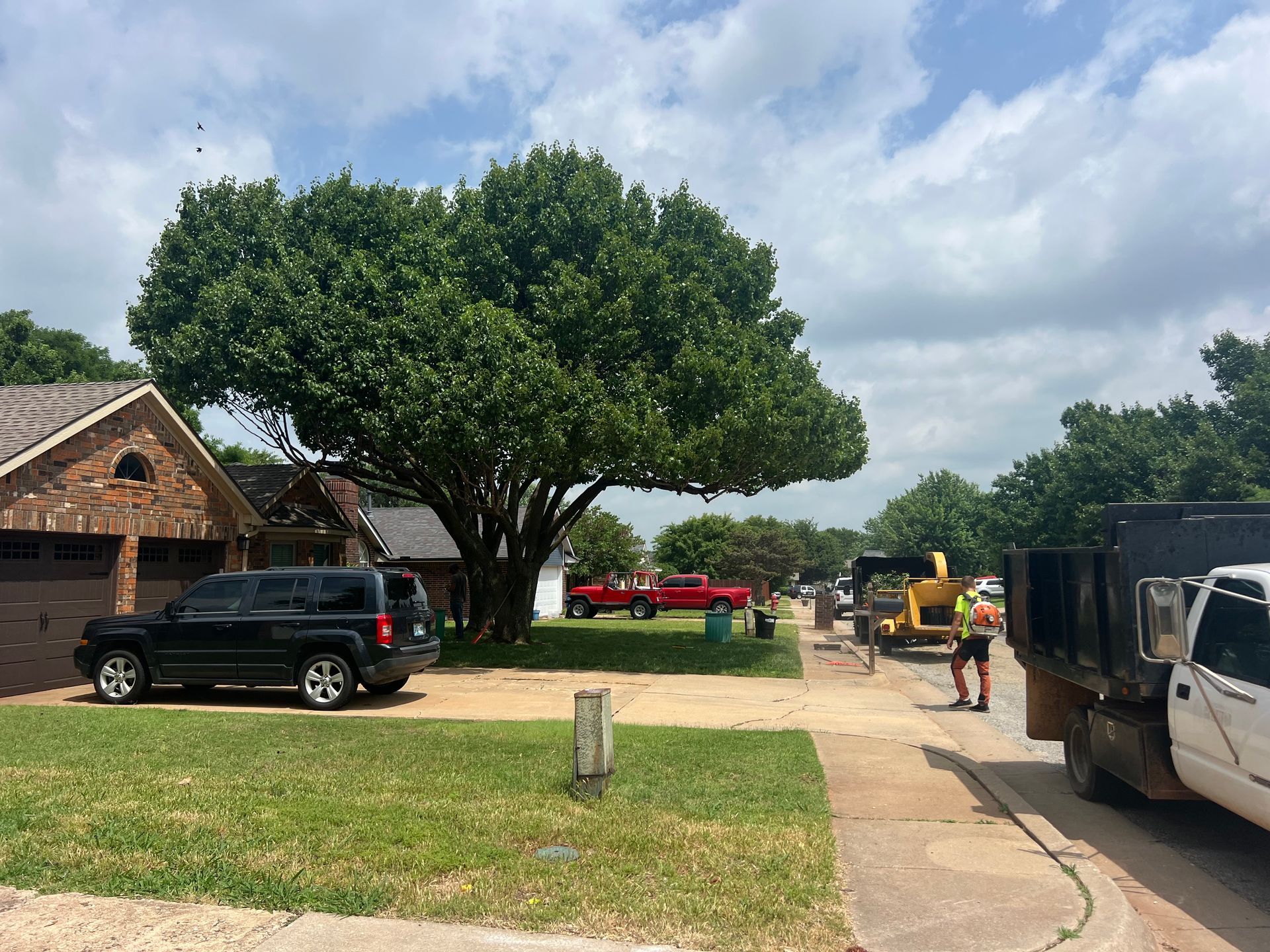
Safe Removal of Fallen and Hazardous Trees
Removing storm-damaged trees is more complex than standard tree removal. The unpredictable nature of damaged trees requires careful planning and execution to avoid accidents and property damage.
Cleanup and Property Restoration
After storm damage has been addressed, thorough cleanup is necessary to restore the property. Leaving debris behind can create safety hazards and hinder normal use of the space.
Removal of Tree Debris
Branches, logs, and smaller debris are cleared from the property to ensure a clean and safe environment. This includes areas that may not be immediately visible but are affected by the storm.
Surface Clearing and Preparation
Yards and driveways are cleared of remaining materials, allowing for safe access and usability. This step also prepares the property for any additional repairs that may be needed.
Disposal of Organic Waste
All removed materials are properly handled and disposed of, ensuring compliance with local regulations and maintaining a clean property.
Preventative Care After Storm Damage
Once immediate storm damage has been resolved, preventative care can help reduce the risk of future issues. Trees that have been weakened by storms may require additional attention to remain stable and healthy.
Post-Storm Tree Pruning
Removing damaged or weakened branches helps improve the tree’s structure and reduces the likelihood of future breakage during storms.
Monitoring Tree Health
Ongoing observation ensures that any delayed effects of storm damage are identified early. Changes in growth, leaf condition, or stability may indicate underlying issues.
Strengthening Tree Structure
In some cases, structural support systems can be installed to help stabilize trees that are still viable but have been compromised by storm conditions.
Storm Damage Tree Services in Edmond, OK and surrounding areas
Storm damage can create urgent and complex challenges for property owners in Edmond, OK and surrounding areas. Specialty Tree Services provides professional solutions tailored to the unique conditions caused by severe weather. From emergency response to cleanup and preventative care, every step is handled with attention to safety and detail.
Addressing storm damage quickly is essential to protect both people and property. Trees that are left unattended after a storm can become more dangerous over time, especially if additional weather events occur. Specialty Tree Services ensures that storm-damaged trees are managed effectively, helping restore normal conditions and reduce future risks.